 Citadel Dumpster Rental
How Dumpster Rental Works Cleveland
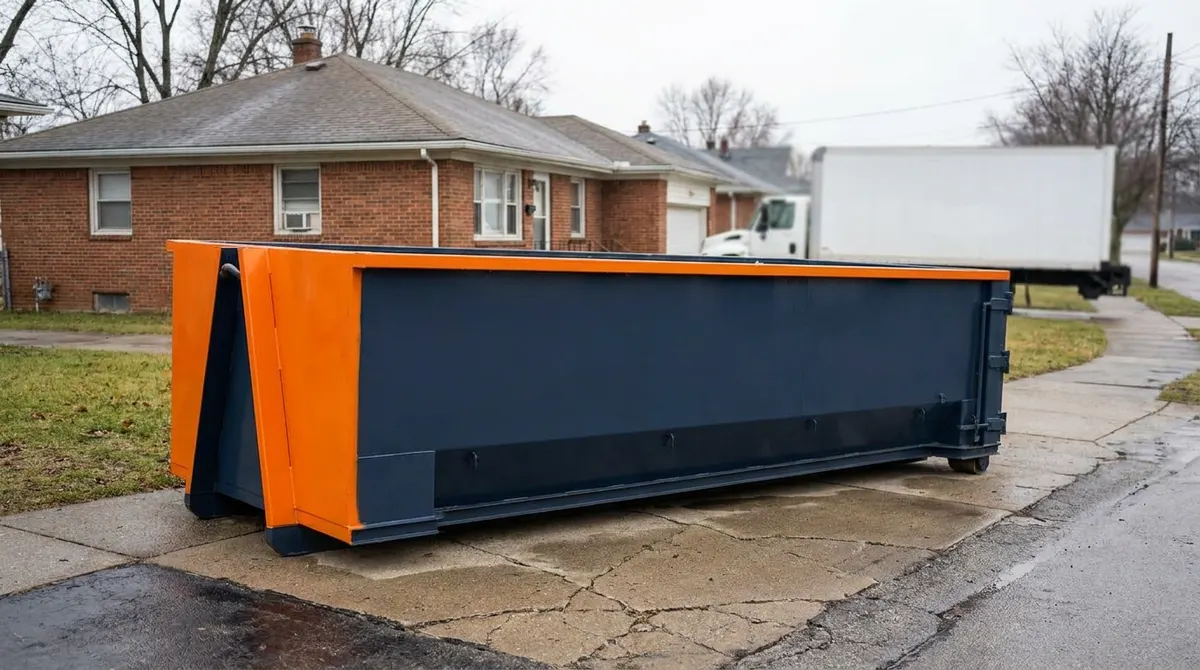
Dumpster rental in Cleveland, OH, involves a structured process designed to manage waste efficiently for various projects, from home renovations in historic Ohio City properties to large-scale cleanouts near the Lake Erie waterfront. The typical rental journey includes selecting the correct dumpster size, scheduling delivery, adhering to loading guidelines, and coordinating pickup. Understanding each phase helps ensure a smooth experience, especially when dealing with Cleveland's specific urban challenges like narrow streets in Tremont or the heavy clay soil common across Cuyahoga County.
The Rental Process Step by Step
The dumpster rental process in Cleveland follows several key stages, beginning with initial inquiry and concluding with debris disposal. This streamlined approach helps residents and contractors manage waste from projects like renovating century homes in Old Brooklyn or clearing out estates in West Park.
- Determine Project Needs: Assess the volume and type of debris. For instance, a small bathroom remodel in a Tremont home might require a 10-yard dumpster, while a full gut-renovation in a Buckeye-Shaker property could need a 30-yard unit.
- Select Dumpster Size: Choose from available dumpster sizes based on the project's estimated debris volume. Common options include 10-yard, 20-yard, 30-yard, and 40-yard containers, each suited for different project scales.
- Obtain a Quote: Contact a local provider to receive an all-inclusive quote. This quote typically covers the rental period, tonnage allowance, and delivery/pickup fees. Prices for a standard rental in Cleveland typically start around $595, but vary based on size and duration.
- Schedule Delivery: Arrange a specific delivery date and time that aligns with the project timeline. Delivery windows are often confirmed to accommodate busy schedules in areas like University Circle.
- Prepare the Site: Ensure the delivery location has adequate clearance and is free of obstructions for the dumpster drop-off. This is crucial for navigating tight driveways or street placements in neighborhoods like Detroit-Shoreway.
- Load the Dumpster: Fill the dumpster with approved materials, staying within the weight limit and observing fill line restrictions.
- Schedule Pickup: Once the dumpster is full or the rental period concludes, contact the provider to request pickup.
- Debris Disposal: The collected waste is transported to an authorized landfill or recycling facility, adhering to local Cleveland regulations for waste management, such as those overseen by the Cuyahoga County Solid Waste District.
What to Have Ready Before Delivery
Before a dumpster arrives at a Cleveland property, specific preparations ensure a smooth and safe delivery. This is especially important for properties with limited space or unique access challenges common in areas like Ohio City or Collinwood.
- Clear Path: Ensure a clear, unobstructed path from the street to the intended placement area. This includes moving vehicles, landscaping materials, or any other items that could hinder the roll-off truck's access.
- Sufficient Space: Verify that the delivery location has enough horizontal and vertical clearance. Dumpsters require significant space to be safely lowered, which can be a consideration on narrow tree-lawn streets in Tremont.
- Permits (if applicable): If the dumpster will be placed on a public street, sidewalk, or other public right-of-way, a street permit from the City of Cleveland is often required. It is the renter's responsibility to secure this permit in advance. Information on city ordinances is available through Cleveland's official website.
- Protective Measures: For driveway placement, consider laying down plywood sheets or planks to protect the surface from potential damage, especially important on soft ground after spring rains, a common issue with the heavy clay soil across Cuyahoga County.
- Accessibility: Confirm the delivery window with the rental company to ensure someone is available on-site if specific placement instructions are needed or if the property requires gate access.
How Delivery and Placement Happens
Dumpster delivery in Cleveland is executed by specialized roll-off trucks capable of safely positioning the container at the designated site. The process requires precision, particularly when navigating the diverse urban landscape of Cleveland, from the bustling areas near Progressive Field to residential streets in Slavic Village.
Upon arrival, the driver assesses the prepared area for safe placement. The truck uses a hydraulic system to tilt its bed and roll the dumpster off onto the ground. This method requires a considerable amount of linear space, typically at least 50 to 75 feet, to fully deploy the container. In neighborhoods with narrow tree-lawn streets and tight driveways, such as Tremont or Ohio City, street-side placement is often the only feasible option. Drivers are trained to maneuver around obstacles like parked cars or low-hanging branches, but clear communication about site conditions is crucial beforehand.
For placements on driveways, the driver will carefully position the dumpster to minimize impact. The weight of a fully loaded dumpster, especially larger units like 30 or 40-yard containers, can be substantial, upwards of 10 tons. This weight, combined with Cleveland's freeze-thaw cycles from December through March and saturated clay soil, can pose a risk of driveway damage. Using protective boards under the dumpster's wheels can help distribute the weight and reduce this risk. The driver confirms the placement with the renter to ensure it meets project needs while adhering to safety and accessibility standards.
Loading Dos and Don'ts
Proper loading of a dumpster is essential for safety, efficiency, and compliance with local waste disposal regulations in Cleveland. Understanding what can and cannot go into a rental dumpster helps avoid additional fees and ensures responsible waste management.
- DO: Distribute Weight Evenly: Spread debris throughout the dumpster to prevent concentrated weight in one area, which can make pickup difficult or unsafe. This is especially important for dense materials like concrete from demolition projects on pre-1978 structures.
- DO: Fill to the Fill Line: Load materials only up to the top edge of the dumpster walls, never exceeding the visible fill line. Overfilling can make transportation unsafe and may result in additional charges or the inability to pick up the dumpster.
- DO: Break Down Bulky Items: Whenever possible, break down large items like furniture or construction debris into smaller pieces to maximize space and prevent voids.
- DO: Separate Hazardous Waste: Set aside any household hazardous waste (HHW) for proper disposal through designated EPA-approved collection programs.
- DON'T: Exceed Weight Limits: Be mindful of the dumpster's stated weight limit (tonnage allowance). Overweight dumpsters incur additional fees and can pose safety risks during transport.
- DON'T: Load Prohibited Items: Never place hazardous materials such as paints, solvents, motor oil, asbestos, tires, batteries, or refrigerators with Freon into the dumpster. These items require special disposal methods due to environmental and safety concerns. For instance, lead-paint debris from century homes in Ohio City requires careful handling and disposal according to HUD guidelines.
- DON'T: Place Items Above the Sides: All materials must be contained within the dumpster's walls, with nothing protruding over the top or sides. This ensures the cover tarp can be securely fastened for transport on major corridors like I-71 or I-90.
- DON'T: Dispose of Appliances with Refrigerants: Appliances containing refrigerants, like older refrigerators or air conditioners, must be handled separately by certified technicians for refrigerant removal before disposal.
How Pickup Is Scheduled
Scheduling dumpster pickup in Cleveland is a straightforward process, typically initiated by the renter once the container is full or the project is complete. This final step ensures timely removal of debris from sites across the city, from the bustling areas around the West Side Market to residential zones near the Cleveland Metroparks Zoo.
To schedule pickup, renters generally contact the dumpster rental company directly via phone or an online portal. It is recommended to request pickup a day or two in advance of the desired removal date, especially during peak seasons or for specific timing needs. This lead time helps the rental company coordinate its hauling schedule efficiently, particularly when managing routes that cover diverse areas and traffic patterns along I-90 or Detroit Avenue.
Before the pickup truck arrives, ensure that the dumpster is loaded correctly, adhering to all weight and fill line restrictions. Any obstructions around the dumpster that might have accumulated during the rental period, such as parked vehicles or construction materials, should be cleared to allow the roll-off truck safe and easy access. Once the truck arrives, the driver will secure the dumpster onto the vehicle, cover it with a tarp, and transport the debris to the appropriate disposal facility. The process is designed to be as seamless as delivery, completing the waste management cycle for projects throughout Cleveland.
Quick questions
Do I need a permit for a dumpster in Cleveland?
Yes, if the dumpster will be placed on any public right-of-way, such as a street or sidewalk, a permit from the City of Cleveland is generally required. Renters are responsible for obtaining this permit before delivery.
What items are prohibited from a rental dumpster?
Prohibited items typically include hazardous materials like paints, solvents, motor oil, asbestos, tires, batteries, and appliances containing refrigerants. Lead-paint debris from older homes also requires special handling.
How much clearance is needed for dumpster delivery?
A roll-off truck generally needs at least 50 to 75 feet of linear space to safely drop off a dumpster. This includes enough overhead clearance for wires and tree branches, especially in neighborhoods with mature trees like Edgewater.
What if my dumpster is overweight?
If a dumpster exceeds its stated weight limit, additional tonnage fees will apply. Overweight dumpsters can also pose safety risks and may be difficult or impossible to pick up, potentially delaying removal.
Can dumpsters be placed on soft ground or clay soil?
Dumpsters can be placed on soft ground, but heavy clay soil, common in Cuyahoga County, especially after rain or during freeze-thaw cycles, increases the risk of driveway damage or sinking. Using protective plywood sheets is strongly recommended.
Need it handled now? See Dumpster Rental in Cleveland.