 Citadel Dumpster Rental
Dumpster Sizes Cleveland
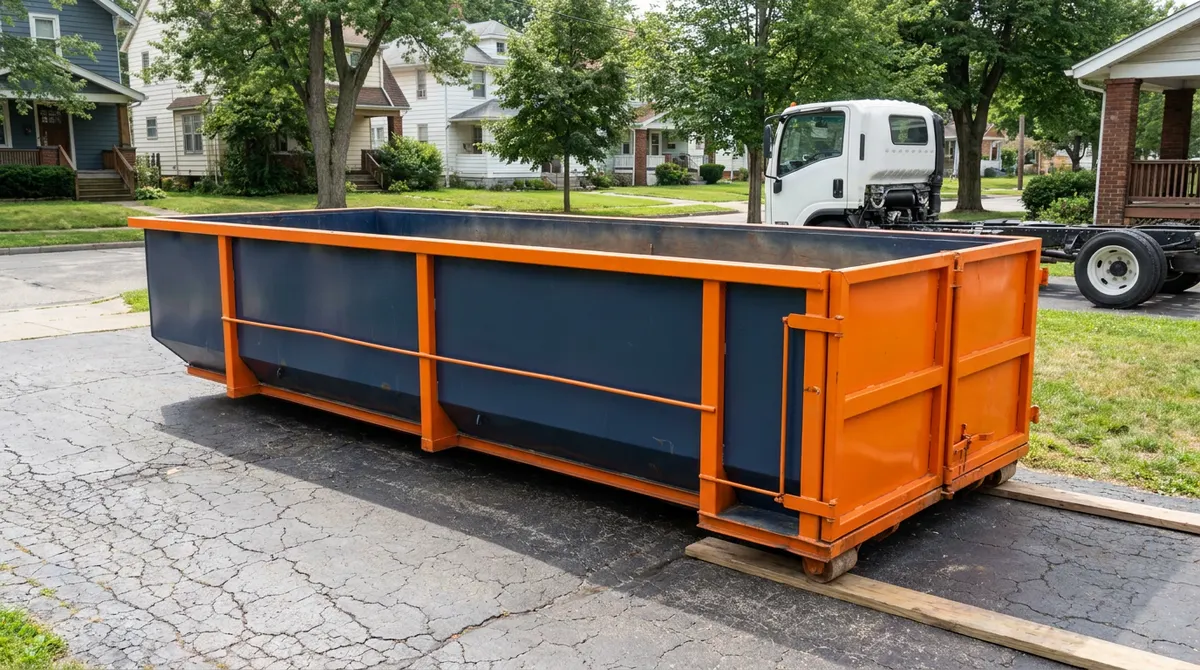
Dumpster sizes in Cleveland are typically measured in cubic yards, indicating the volume of material they can hold, and range from compact 10-yard bins suitable for small cleanouts to large 40-yard containers designed for major construction debris, each serving different project scales across neighborhoods like Tremont, Ohio City, and West Park.
Dumpster Size Chart by Dimensions
Dumpster sizes are standardized by volume and typically expressed in cubic yards. The physical dimensions vary slightly by manufacturer but generally adhere to specific length, width, and height ranges. These dimensions are critical for placement, especially on narrow tree-lawn streets in areas like Ohio City or on tight driveways in Old Brooklyn. Understanding these measurements helps determine if a specific dumpster will fit the intended drop-off location and manage the debris volume.
| Size (Cubic Yards) | Approximate Dimensions (L x W x H) | Average Capacity (Tons) |
|---|---|---|
| 10-Yard | 12 ft x 8 ft x 3.5 ft | 1-2 tons |
| 15-Yard | 14 ft x 8 ft x 4 ft | 2-3 tons |
| 20-Yard | 22 ft x 8 ft x 4 ft | 3-4 tons |
| 30-Yard | 22 ft x 8 ft x 6 ft | 4-5 tons |
| 40-Yard | 22 ft x 8 ft x 8 ft | 6-8 tons |
Matching Size to Project Type in Cleveland
Selecting the correct dumpster size prevents both overpaying for unused space and needing a second pickup. Cleveland's older housing stock, including many century homes in neighborhoods like Tremont and Slavic Village, often generates specific types of debris from renovation projects. The appropriate container choice depends directly on the scope and material density of the work.
| Dumpster Size | Typical Project Examples in Cleveland | Considerations |
|---|---|---|
| 10-Yard Dumpster | Small bathroom remodels, garage cleanouts, yard waste removal, single-room decluttering. | Ideal for tight driveways or limited street space in areas like Detroit-Shoreway. |
| 15-Yard Dumpster | Medium kitchen renovations, deck removal (up to 300 sq ft), roof tear-offs (up to 25 squares of asphalt shingles), larger garage cleanouts. | A common choice for residential projects where space is a factor but more volume is needed than a 10-yard. |
| 20-Yard Dumpster | Full kitchen or two-bathroom remodels, basement cleanouts, large landscaping projects, single-car garage demolition. | Suitable for most substantial home renovations in neighborhoods like West Park or Buckeye-Shaker. |
| 30-Yard Dumpster | Major home additions, full-house cleanouts (e.g., estate cleanouts in Edgewater), commercial construction debris, significant demolition projects. | Requires ample space for placement; often seen on larger construction sites near I-77 or I-90. |
| 40-Yard Dumpster | Large-scale commercial construction, new home builds, major demolitions, large tree removal, multi-unit cleanouts. | Used for the biggest projects, such as those near the Cuyahoga River industrial areas or large developments in University Circle. |
How Many Pickup Truck Loads Each Size Holds
Visualizing dumpster capacity in terms of standard pickup truck loads can help Cleveland residents and contractors gauge the right size. A typical full-size pickup truck bed holds approximately 2-3 cubic yards of material, depending on how it's loaded. This comparison offers a practical reference point for estimating debris volume from home projects or cleanouts.
| Dumpster Size | Approximate Pickup Truck Loads Equivalent | Common Use Case |
|---|---|---|
| 10-Yard Dumpster | 3-4 pickup truck loads | Small attic or garage cleanouts. |
| 15-Yard Dumpster | 5-6 pickup truck loads | Medium-sized basement decluttering. |
| 20-Yard Dumpster | 7-8 pickup truck loads | Two-car garage cleanout or demolition debris. |
| 30-Yard Dumpster | 10-12 pickup truck loads | Major home cleanouts or large construction. |
| 40-Yard Dumpster | 14-16 pickup truck loads | Commercial site debris or new home construction. |
When to Size Up for Weight Considerations
While cubic yardage measures volume, debris weight is a crucial factor, especially with heavy materials like concrete, asphalt, dirt, or plaster often encountered in Cleveland's older homes. Projects involving demolition of pre-1978 structures in areas like Collinwood or Slavic Village frequently generate dense plaster and lath waste. The quoted price for a dumpster rental typically includes a specific tonnage limit. Exceeding this limit incurs additional per-ton overage fees. If a project primarily involves heavy materials, it is often more cost-effective to rent a larger dumpster with a higher weight allowance, or even a smaller dumpster specifically for heavy debris, rather than risking significant overage charges on a smaller, volume-appropriate bin. For instance, a 20-yard dumpster filled with concrete will weigh significantly more than a 30-yard dumpster filled with household junk, potentially exceeding the weight limit faster. It is recommended to discuss the types of materials being disposed of when ordering to ensure the correct weight allowance is factored in from the start. This proactive approach helps manage costs and avoids surprises, especially with heavy clay soil across Cuyahoga County exacerbating ground pressure from heavy bins after spring rains. For guidance on specific waste types, the U.S. Environmental Protection Agency (EPA) offers resources on hazardous waste disposal.
Still Unsure? How to Decide on Dumpster Size
Choosing the right dumpster size can be challenging, particularly for those unfamiliar with debris volume estimations. Various factors influence the optimal choice, from the project type to the available space for placement. Considerations like potential lead-paint debris from gut-renovations of century homes in Tremont or the compact nature of a cleanout near the Rock & Roll Hall of Fame can impact decisions.
Q: What if my project generates a mix of light and heavy materials?
A: When dealing with mixed debris, estimate the volume of each type. If heavy materials constitute a significant portion, consider a size that offers a higher weight limit, even if the volume seems slightly more than needed. This can prevent overage fees. Alternatively, separate heavy debris into a smaller, dedicated bin if feasible.
Q: How do narrow Cleveland streets and driveways affect my choice?
A: In neighborhoods like Tremont, Ohio City, and parts of Old Brooklyn, narrow streets and tight driveways are common. Larger dumpsters (30-yard, 40-yard) require more maneuvering space for roll-off trucks. For these locations, a 10-yard or 15-yard dumpster is often the most practical choice. Street-side placement may require a permit from the City of Cleveland, which should be checked with the City Council or relevant department.
Q: Should I factor in potential delays due to Cleveland weather?
A: Lake-effect snow and freeze-thaw cycles from December through March can complicate winter driveway placement and pickup scheduling. Soft ground from spring rains, common with heavy clay soil in Cuyahoga County, can also impact heavy dumpster placement. It is advisable to allow for slightly longer rental periods during these months or schedule pickups proactively to avoid issues.
Q: What is the minimum charge for a dumpster rental in Cleveland?
A: The minimum charge for a dumpster rental in Cleveland is typically $595, which covers the smallest available bins and their associated tonnage limits and rental periods.
Q: How can I confirm the best size for my specific project?
A: The most effective method is to provide details about your project to a local dumpster rental service. Explain the type of debris, the estimated volume, and the available space for placement. They can offer a recommendation based on experience with similar projects in Cleveland. For a reliable dumpster rental service in Cleveland, call (216) 547-6062 to discuss your specific needs and receive clear pricing based on your project requirements.
Quick questions
What is the smallest dumpster size available?
The smallest common dumpster size available for rent in Cleveland is typically a 10-yard dumpster, suitable for small cleanouts or minor renovations.
How many days are included in a standard dumpster rental?
A standard dumpster rental period in Cleveland usually includes 7 days, though this can vary by provider and may be extended for an additional fee.
Do I need a permit for a dumpster in Cleveland?
A permit is generally required if the dumpster needs to be placed on a public street, sidewalk, or other public right-of-way in Cleveland. No permit is needed for placement on private property.
What materials are prohibited in dumpsters?
Prohibited materials typically include hazardous waste, chemicals, tires, batteries, paints, oils, asbestos, and certain appliances with refrigerants. Consult your rental provider for a comprehensive list of restricted items to comply with Ohio EPA regulations.
Need it handled now? See Dumpster Rental in Cleveland.