 Citadel Dumpster Rental
Dumpster Permit Cleveland
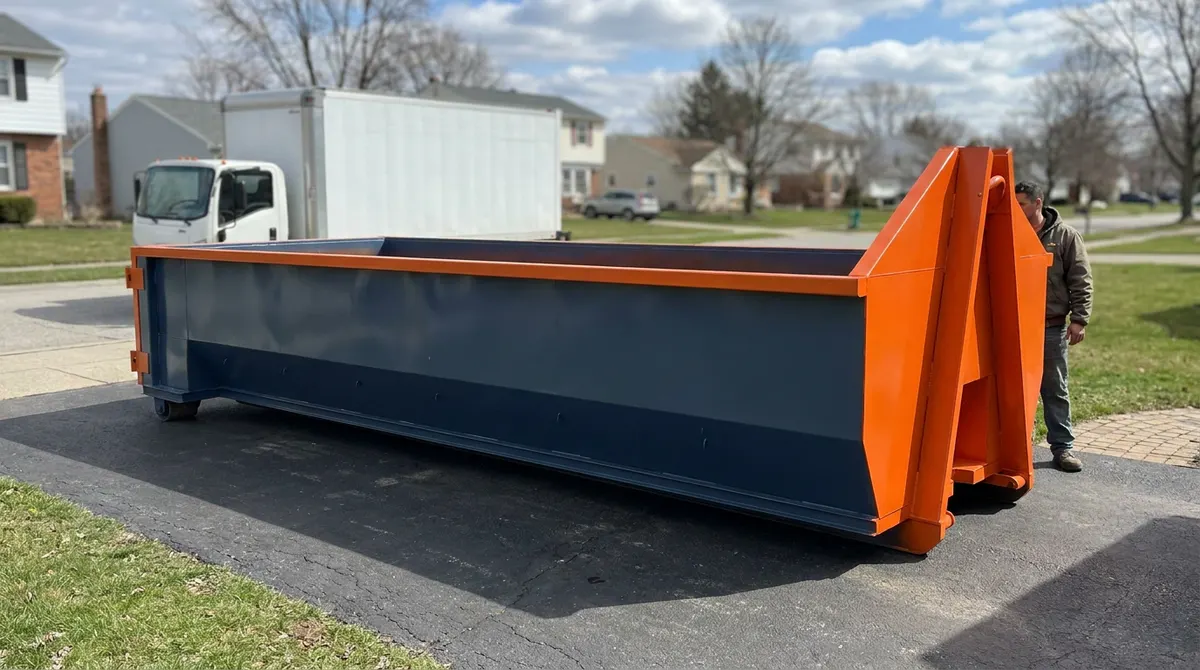
A dumpster permit in Cleveland, Ohio, is a required authorization from the City of Cleveland for placing a roll-off dumpster on public property, such as a street or tree lawn, to manage debris from construction, renovation, or cleanout projects.
What is a Dumpster Permit in Cleveland?
A dumpster permit in Cleveland is an official authorization issued by the City of Cleveland, typically through the Department of Public Service, that allows temporary placement of a roll-off dumpster on a public street, alley, or other right-of-way. This permit ensures public safety, manages traffic flow, and protects city infrastructure when a container extends beyond private property. Homeowners and contractors undertaking projects like renovating century homes in Tremont or gutting a pre-1978 structure in Old Brooklyn often generate significant debris, requiring a large container. When private driveway space is limited, especially in dense neighborhoods like Ohio City or Detroit-Shoreway with narrow tree-lawn streets, street placement becomes necessary, triggering the need for a permit. The permit process involves an application, review by city officials, and a fee, ensuring compliance with local ordinances for temporary street obstructions. Understanding these regulations is crucial for avoiding fines and project delays when renting a dumpster in Cleveland.
When a Permit Is Required in Cleveland
A permit is required in Cleveland whenever a rented dumpster is placed on public property or obstructs any portion of the public right-of-way. This includes streets, sidewalks, alleys, or tree lawns. For example, if a homeowner in Collinwood is renovating and needs to place a 20-yard dumpster on the street because their driveway is too small, a permit from the City of Cleveland is mandatory. Conversely, no permit is needed if the dumpster is placed entirely on private property, such as within a driveway or on a private lot, without impeding public access. Even if a dumpster slightly overhangs a sidewalk from a driveway, a permit may be required due to the obstruction of public passage. Projects in areas with tight parking, like near the West Side Market or University Circle, often necessitate street placement and thus, a permit. The City of Cleveland's Department of Public Service reviews permit applications to ensure safe placement and minimal disruption to the community. Adhering to these requirements prevents potential fines and ensures project compliance with local regulations.
Street vs Driveway Placement Rules
Placement of a dumpster in Cleveland dictates whether a permit is necessary and influences logistical considerations. The primary distinction lies between public and private property.
| Placement Location | Permit Required? | Key Considerations |
|---|---|---|
| Private Driveway | No | Sufficient space for dumpster and truck access. Protect driveway from heavy loads, especially with Cleveland's heavy clay soil after spring rains. Ensure no overhang onto sidewalks or street. |
| Private Lot | No | Must be entirely within property lines. Access for delivery and pickup must not obstruct public ways. |
| Public Street | Yes | Right-of-way permit from City of Cleveland required. Must comply with city ordinances for lighting, signage, and placement. Avoid blocking fire hydrants or intersections. Parking restrictions may apply. |
| Public Alley | Yes | Right-of-way permit needed. Ensure access for other vehicles and emergency services. Specific city rules for alley obstructions apply. |
| Tree Lawn/Sidewalk | Yes | Right-of-way permit needed. Must maintain pedestrian access and visibility. Often requires specific safety measures like barricades. |
When a dumpster is placed on a public street, such as for a roof tear-off in Slavic Village, it often requires reflective tape and lights for visibility, especially during evening hours. In densely populated areas like Buckeye-Shaker, street placement can impact parking availability, which the city considers during permit approval. Driveway placement, while permit-free, still requires careful planning to prevent potential damage from the dumpster's weight, particularly with heavy demolition debris containing plaster and lath from older Cleveland homes. It is always recommended to place boards or plywood under the dumpster to distribute weight and protect surfaces.
How to Apply for a Right-of-Way Permit
Applying for a right-of-way permit in Cleveland involves several steps through the City of Cleveland's Department of Public Service. This process ensures proper authorization for placing a dumpster on public property, such as a street in West Park or along Detroit Avenue.
- Determine Need: Confirm that your dumpster placement will be on public property. If it's entirely within your private driveway or lot, no permit is needed.
- Gather Information: Collect project details including the dumpster size (e.g., 10-yard, 20-yard), desired start and end dates, exact placement address, and contact information.
- Contact the City: Reach out to the City of Cleveland Department of Public Service, Division of Streets. Their office manages right-of-way permits for temporary obstructions. The Cleveland City Hall, located at 601 Lakeside Ave E, Cleveland, OH 44114, is typically where these applications are processed.
- Complete Application Form: Fill out the official 'Application for Use of Public Right-of-Way' form. This form will ask for specifics about the location, duration, and type of obstruction.
- Submit Supporting Documents: Depending on the location and project scope, you may need to provide a site plan or diagram showing the dumpster's exact placement, proximity to intersections, and safety measures.
- Pay Permit Fee: A non-refundable permit fee is required at the time of application. The cost varies based on duration and other factors (see 'Permit Costs and Timelines' below).
- Await Approval: The city reviews the application to ensure compliance with zoning, traffic, and safety regulations. Approval times can vary but typically range from a few business days to a week.
- Display Permit: Once approved, the permit must be visibly displayed at the dumpster site, usually on the dumpster itself or a nearby post, for the entire rental period.
For projects near busy areas like the Rock & Roll Hall of Fame or Progressive Field, special attention to traffic management may be required during the permit review. It's advisable to apply well in advance of your desired dumpster delivery date to account for processing times, especially during peak construction seasons or during winter months when lake-effect snow can impact city operations.
Permit Costs and Timelines
The cost for a right-of-way permit in Cleveland typically varies based on the duration of placement and the specific public space being utilized. While exact figures can change, applicants should anticipate a base fee for standard residential placements on a street or tree lawn. For a typical residential dumpster placement on a public street for a short-term project, permit fees might range from approximately $50 to $100 for a period of up to 30 days. Longer durations or placements in high-traffic commercial zones, such as downtown near the Cuyahoga River, may incur higher fees or require additional approvals.
| Permit Type/Duration | Estimated Cost Range (Cleveland) | Typical Timeline for Approval |
|---|---|---|
| Residential Street Placement (up to 30 days) | $50 - $100 | 3-7 business days |
| Commercial Street Placement (up to 30 days) | $75 - $150+ | 5-10 business days |
| Permit Renewal/Extension | Varies, typically similar to initial fee | 2-5 business days |
| Expedited Review (if available) | Additional fee may apply | 1-3 business days |
These costs are separate from the dumpster rental fee, which has a minimum charge of $595 for roll-off containers in Cleveland. The permit processing timeline is generally between 3 to 7 business days for standard residential applications. However, this can extend to 10 business days or more for complex projects, busy periods, or if additional information is requested by the City of Cleveland. It is critical to apply for the permit well in advance of the planned dumpster delivery date to avoid project delays. For instance, planning a large cleanout in Edgewater Park or a demolition project in a tight neighborhood like Tremont requires foresight, especially when considering the potential impact of winter weather and freeze-thaw cycles from December through March, which can affect street conditions and city office hours. The permit ensures compliance with local laws and helps manage public space effectively.
HOA and Private Property Rules
Even when a dumpster is placed entirely on private property in Cleveland, such as a driveway or a private lot, homeowners and contractors may still need to adhere to rules set by Homeowners Associations (HOAs) or specific property management. These private entities often have their own regulations regarding temporary structures, including dumpsters.
- What are typical HOA rules regarding dumpsters? HOAs in Cleveland neighborhoods, like those found in parts of University Circle or planned communities in West Park, frequently have guidelines on dumpster appearance, placement duration, and even allowable hours for delivery and pickup. They might specify that dumpsters must be screened from view or limit their presence to a certain number of days to maintain community aesthetics.
- Do I need a permit if my HOA approves it? HOA approval does not negate the need for a City of Cleveland permit if the dumpster is placed on public property. An HOA's jurisdiction is limited to the private property it governs. If a dumpster is on the street in front of an HOA-governed home, a city permit is still required.
- What if my property is part of a private road community? Some communities in Cuyahoga County, particularly newer developments or gated enclaves, have private roads. If the dumpster is placed on one of these private roads, a city permit is generally not required, but permission from the property owner or the private road association is essential. Local rules for private roads can vary significantly.
- Are there specific rules for commercial properties? For commercial properties, such as a business near I-490 or along West 25th Street, placement on private property typically does not require a city permit. However, the property owner or landlord may have specific rules or lease agreements that dictate where and for how long a dumpster can be placed. Compliance with these internal rules is crucial to avoid violations.
- How can I find out my HOA's specific rules? Homeowners should consult their HOA's bylaws or contact the property management company directly. This information is usually provided during the home purchase process or is available through the HOA's administrative office. Clear communication with the HOA can prevent potential conflicts or fines related to dumpster placement on private property.
Understanding these additional layers of private property rules is vital for a smooth dumpster rental experience, complementing the City of Cleveland's public right-of-way permit requirements.
Need it handled now? See Dumpster Rental in Cleveland.